

PMOS vs PCOS: What Should Women Know about the Differences?
The medical community is increasingly adopting the term Polyendocrine Metabolic Ovarian Syndrome (PMOS) over PCOS to better reflect the condition’s systemic metabolic and hormonal impact, rather than just focusing on ovarian cysts. Understanding this terminology shift helps women recognize the true root causes of their symptoms—such as irregular periods, insulin resistance, and hyperandrogenism. Dr. Marc Jean-Gilles utilizes this comprehensive, whole-body perspective to guide accurate diagnoses and highly effective treatments. For more information, contact us today or book an appointment online. We are conveniently located at 601A Professional Drive, Suite 370, Lawrenceville, GA 30046.
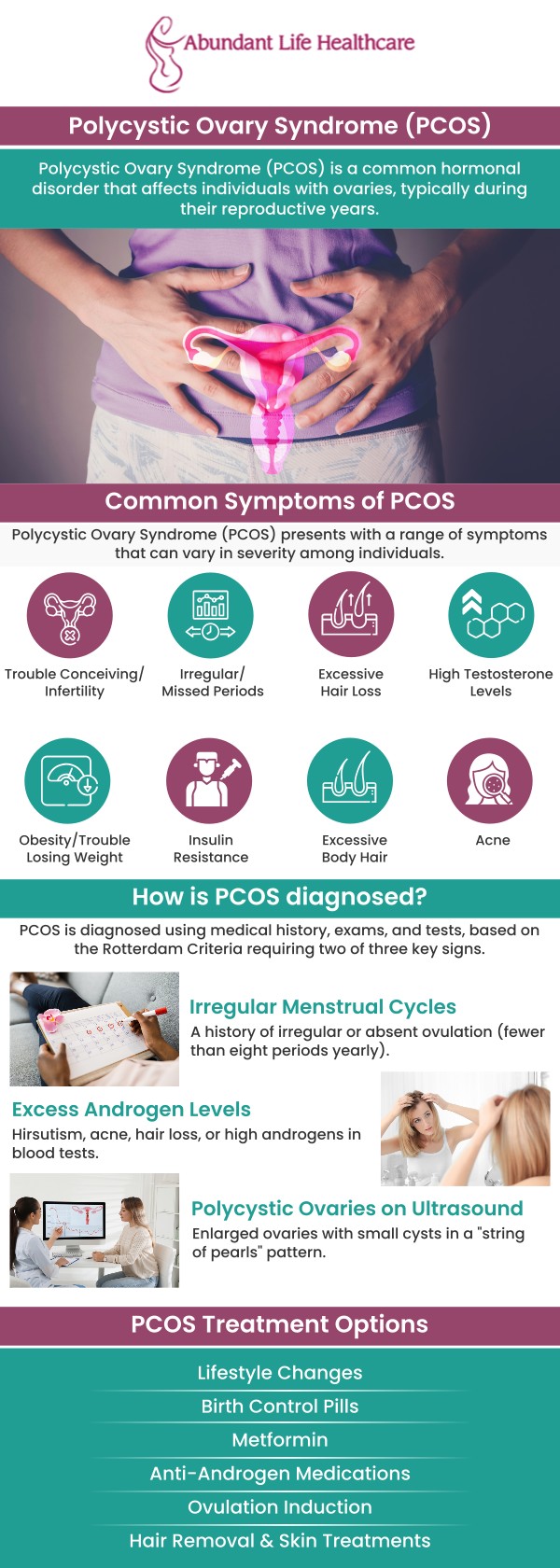
Table of Contents:
What are the key differences between PMOS and PCOS?
What causes PMOS and PCOS to develop?
How are PCOS and PMOS diagnosed and evaluated?
What effects can PMOS and PCOS have on menstrual health and hormonal balance?
How Can Dr. Marc Jean-Gilles, DO, FACOG, Help Women Understand PMOS and PCOS and Receive Personalized Care?
PMOS (Polyendocrine Metabolic Ovarian Syndrome) and PCOS (Polycystic Ovary Syndrome) refer to the same medical condition. In May 2026, PCOS was renamed PMOS to better reflect its effects on hormonal balance, metabolism, reproductive health, and overall well-being. The updated name emphasizes that the condition involves multiple body systems rather than primarily affecting the ovaries.
Although the terminology has changed, the underlying condition, symptoms, and diagnostic criteria remain the same. Both names describe a hormonal disorder that may cause irregular menstrual cycles, acne, excessive facial or body hair, difficulties with ovulation, and insulin resistance. PMOS places greater emphasis on associated metabolic concerns, including an increased risk of type 2 diabetes, high blood pressure, and cardiovascular complications.
The key distinction is therefore how the condition is described, rather than a difference in the disease itself. The name PCOS focused on ovarian appearance, even though not everyone with the condition has polycystic-appearing ovaries. PMOS provides a broader understanding of the condition and encourages comprehensive care that addresses hormonal symptoms, metabolic health, menstrual regularity, and fertility concerns. The name change does not, by itself, alter established diagnostic or treatment recommendations.
Because PMOS and PCOS are the exact same condition, they share the same underlying triggers. While the exact cause is not fully understood, experts know that PMOS is driven by a combination of genetic and environmental factors. Key contributors to the development of PMOS include:
• Insulin Resistance: Insulin resistance is one of the most common and well-established features of PMOS. When cells don’t respond well to insulin, the body compensates by producing more of it. Elevated insulin levels trigger the ovaries to produce excess androgens (male hormones).
• Hormonal Imbalances: Elevated levels of androgens disrupt the regular ovulation process, contributing directly to many of the condition’s classic symptoms.
• Genetics: PMOS tends to run in families. If a close relative has the condition, your risk of developing it is significantly higher.
• Low-Grade Inflammation: Research shows that PMOS is associated with chronic, low-grade inflammation. This inflammation stimulates the ovaries to produce more androgens, further complicating metabolic and reproductive health.
Despite the name change, the diagnostic criteria for PMOS remain fundamentally the same. Because PMOS can present differently from woman to woman, doctors typically evaluate patients using a three-step approach. An official diagnosis is usually made if a woman meets at least two of the following three criteria:
• Irregular Menstrual Cycles: Infrequent, unpredictable, or absent periods due to a lack of regular ovulation.
• Signs of Elevated Androgens: This can be identified through blood tests showing high hormone levels, or through physical signs such as severe acne, male-pattern hair loss (androgenic alopecia), or hirsutism (excess facial and body hair).
• Polycystic Ovarian Morphology: An ultrasound may reveal enlarged ovaries or a “string of pearls” appearance on the periphery of the ovary. These are actually small, undeveloped follicles—not true cysts.
A comprehensive assessment may also involve reviewing your medical history, monitoring your blood pressure, and conducting blood tests to assess blood sugar, cholesterol, and insulin levels. These evaluations help identify potential metabolic concerns associated with PMOS and guide appropriate care.
The hormonal imbalances driven by PMOS take a significant toll on a woman’s menstrual cycle and overall reproductive health. When the ovaries produce an excess of androgens, it disrupts the normal maturation and release of an egg each month (ovulation).
As a result, women with PMOS may experience the following symptoms:
• Irregular or Absent Periods: Menstrual cycles may be very long, unpredictable, or stop altogether.
• Heavy Bleeding: When ovulation does not occur, the uterine lining can build up over a longer period. When a period finally does happen, the bleeding can be exceptionally heavy.
• Fertility Challenges: Because ovulation is irregular or absent, PMOS is one of the leading causes of female infertility.
• Systemic Symptoms: Beyond the menstrual cycle, hormonal chaos can cause extreme fatigue, mood changes (such as depression and anxiety), weight gain, and persistent skin issues like severe acne and oily skin.
Living with a polyendocrine and metabolic condition can feel overwhelming, but you don’t have to navigate it alone. At Abundant Life Healthcare in Lawrenceville, GA, Dr. Marc Jean-Gilles, DO, FACOG, provides compassionate, expert care tailored to each woman’s unique stage of life.
As a board-certified OB/GYN, Dr. Jean-Gilles understands that treating PMOS requires a holistic, patient-centered approach rather than a one-size-fits-all solution. He helps women effectively manage their PMOS by:
• Providing Accurate Diagnostics: Dr. Jean-Gilles will take the time to listen to your specific symptoms, run the necessary hormonal and metabolic blood panels, and perform ultrasounds in a warm, welcoming environment.
• Creating Personalized Treatment Plans: Whether your primary goal is regulating your menstrual cycle, clearing up hormonal symptoms, managing your metabolic health, or overcoming infertility to start a family, Dr. Jean-Gilles designs a treatment plan that aligns with your specific goals.
• Offering Comprehensive Management: From prescribing cycle-regulating birth control and hormone-balancing medications to educating you about your bodily health, Dr. Jean-Gilles focuses on empowering you to make informed decisions for both your reproductive and long-term wellness.
If you are experiencing symptoms of PMOS or have questions about a previous PCOS diagnosis, Dr. Marc Jean-Gilles and the team at Abundant Life Healthcare are here to empower you with the knowledge and support you deserve. For more information, contact us today or book an appointment online. We are conveniently located at 601A Professional Drive, Suite 370, Lawrenceville, GA 30046. We serve patients from Lawrenceville GA, Suwanee GA, Snellville GA, Duluth GA, Dacula GA, Lilburn GA, Loganville GA, Auburn GA, and surrounding areas.
Check Out Our 5 Star Reviews


Additional Services You May Like

Additional Services You May Like
- Obstetrics
- Pregnancy
- Gynecologist
- Birth Control
- Labiaplasty
- Microblading
- Weight Loss
- Semaglutide GLP-1
- Pap Smears
- Pelvic Pain
- Laser Hair Removal
- In House Ultrasound (Including 3D)
- Vaginal Birth After C-Section (VBAC)
- High Risk Pregnancy
- Multiple Gestations
- Postpartum Counseling
- 24hour/365days On Call Service
- Annual Exam
- Abnormal Uterine Bleeding
- Management Of Endometriosis
- Ultrasound
- Pelvic Organ Prolapse
- Urinary Incontinence
- Perimenopause And Menopause
- Sexual Dysfunction
- Cool Sculpting
- Body Contouring
- Ozempic
- Civil Surgeon
- Hormone Replacement Therapy
- Immigration Medicine
- Biote Hormone Pellets
- GLP-1
- Peptide Therapy
- Menopause
- Foundayo



 Send Text
 How May I Help You?
